
Homeschooling offers a unique opportunity to tailor education to the individual needs and interests of your child. One highly effective method to enhance this personalized learning experience is Project-Based Learning (PBL). PBL shifts the focus from traditional, teacher-led instruction to a student-centered approach, where learning occurs through the exploration and completion of meaningful projects. This method not only engages children more deeply but also helps them develop a broad range of skills essential for their future success.
What is Project-Based Learning?
Project-Based Learning is an educational approach that encourages students to learn by engaging in real-world and personally meaningful projects. Instead of passively receiving information, students actively investigate and respond to complex questions, problems, or challenges. This hands-on method requires students to apply their knowledge in practical ways, making learning more relevant and exciting.
Skills Gained Through Project-Based Learning
Critical Thinking and Problem-Solving
- Application: When students work on projects, they often encounter problems that require innovative solutions. For instance, building a model of an ancient civilization requires not only understanding historical facts but also figuring out how to recreate structures and daily life accurately.
- Benefits: These tasks encourage children to think critically about the information they have and to solve problems creatively, fostering a mindset that is essential for success in any field.
Collaboration and Communication
- Application: Many projects are best tackled in teams. Whether collaborating with siblings or engaging in online groups, students learn to communicate their ideas effectively, listen to others, and work towards a common goal.
- Benefits: These experiences teach children the importance of cooperation, negotiation, and the ability to articulate their thoughts clearly, all of which are vital skills in both academic and professional settings.
Self-Management and Responsibility
- Application: Managing a project from start to finish requires students to plan, organize, and follow through on their tasks. This could involve setting timelines for a science experiment or creating a budget for a mock business plan.
- Benefits: Such activities help students develop strong organizational skills, the ability to set and meet goals, and a sense of accountability for their work.
Research and Information Literacy
- Application: Project-Based Learning often involves extensive research. For example, a unit study on renewable energy sources might require students to gather information from various sources, evaluate the credibility of the information, and present their findings.
- Benefits: This process enhances their ability to locate, assess, and use information effectively, a crucial skill in our information-rich society.
Creativity and Innovation
- Application: Projects like designing a new product, writing a story, or creating a piece of artwork allow students to express themselves creatively. They must think outside the box to come up with original ideas and solutions.
- Benefits: Encouraging creativity helps students develop a love for learning and the confidence to take risks and try new things.
Technical Skills and Digital Literacy
- Application: Many modern projects involve using technology, whether it’s coding a simple app, creating a digital presentation, or conducting virtual science experiments.
- Benefits: These activities build technical skills and digital literacy, preparing students for the increasingly digital world.
Examples of Project-Based Learning Units

Environmental Science Project
- Description: Students investigate a local environmental issue, such as water pollution. They conduct field research, collect data, and propose solutions.
- Skills Developed: Research, data analysis, critical thinking, environmental literacy, and public speaking.
Historical Reenactment
- Description: Students choose a historical event, research it thoroughly, and create a reenactment. This can include costumes, scripts, and props.
- Skills Developed: Historical understanding, research, creativity, teamwork, and presentation skills.
Entrepreneurship Project
- Description: Students create a business plan for a small business. They conduct market research, develop a product or service, and pitch their idea.
- Skills Developed: Economic literacy, financial management, marketing, creativity, and public speaking.
STEM Challenge
- Description: Students participate in a challenge such as building a bridge from popsicle sticks that can hold a certain weight. They design, test, and refine their structures.
- Skills Developed: Engineering principles, problem-solving, collaboration, and technical skills.
Conclusion
Project-Based Learning transforms homeschooling by making education dynamic, interactive, and deeply engaging. It empowers students to take ownership of their learning and helps them develop a suite of valuable skills that are crucial for their academic and professional futures. By integrating PBL into your homeschooling curriculum, you can provide a rich, multifaceted educational experience that prepares your child to navigate and succeed in the real world.
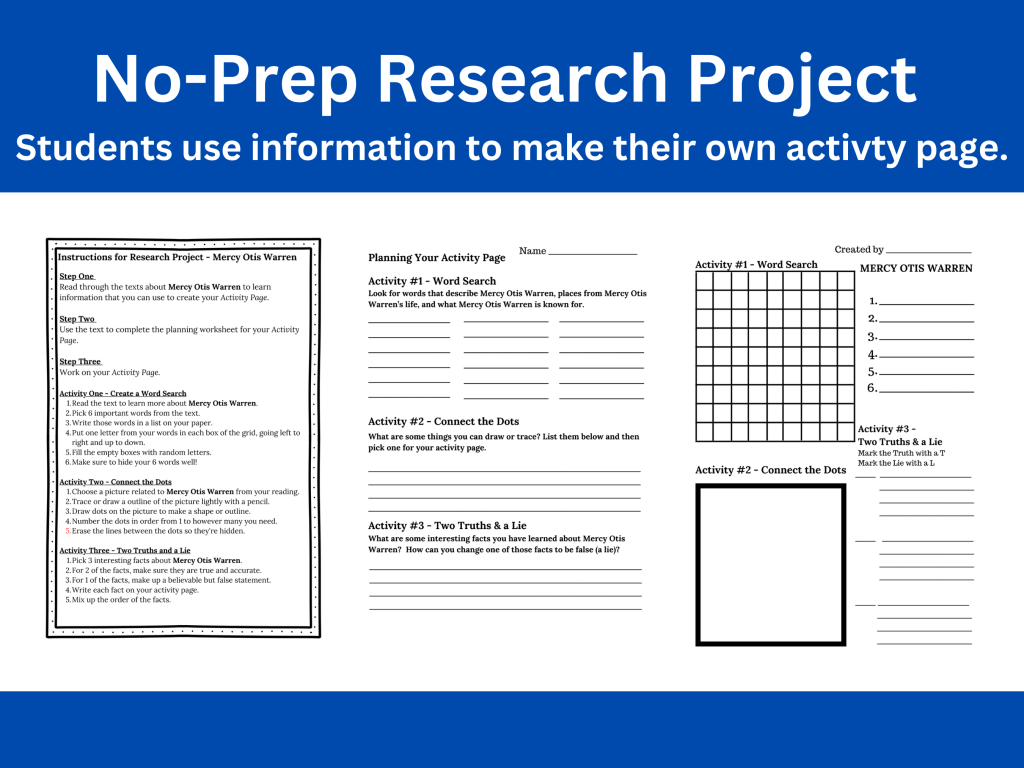
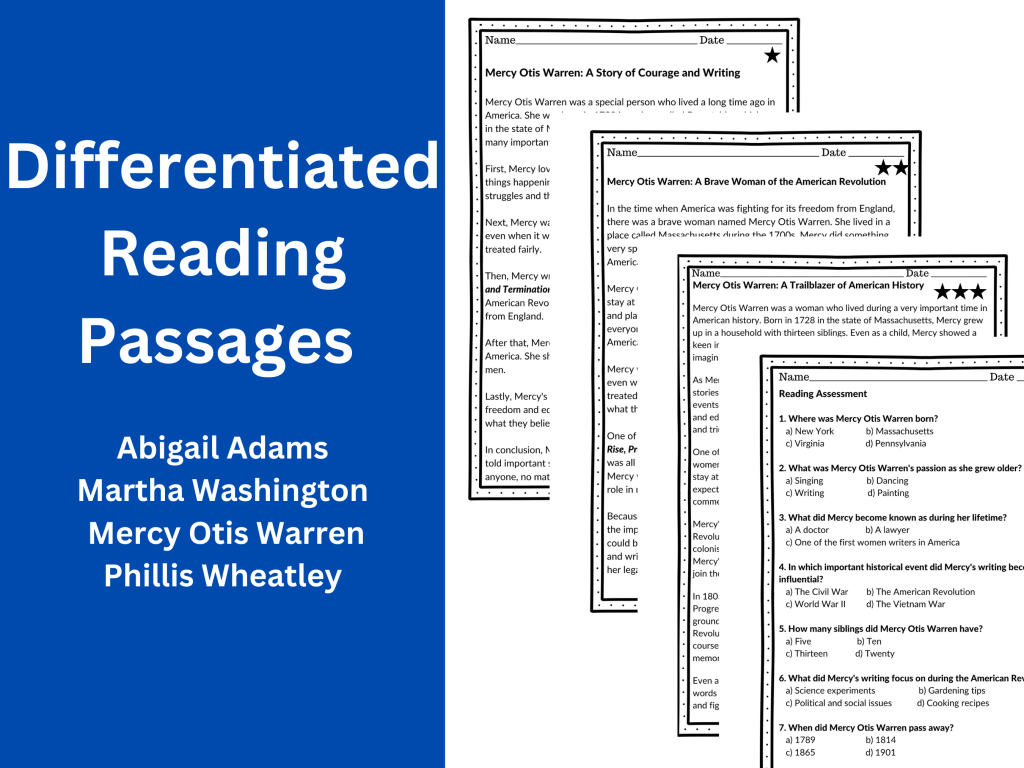
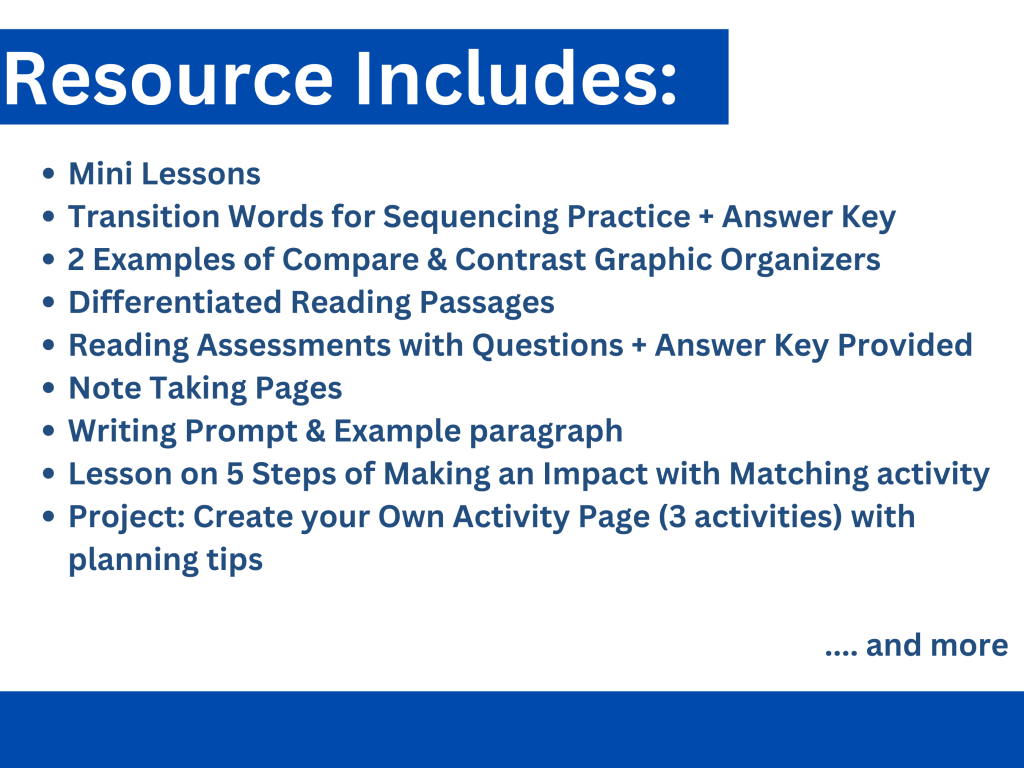
Get Started by getting our PBL Lesson – Women of the American Revolution




 Teaching 4 Impact